Restaurant labour cost: why prime cost above 65% leaves almost no room for error
If food cost is 32% and labour cost is 34%, you are already at 66% prime cost before rent, utilities and debt. That is not a staffing problem or a purchasing problem in isolation — it is a combined margin problem that only shows up when you track both numbers together.
Ideal percentage of revenue
There is no universal labour cost percentage, because service model, opening hours and average ticket change the economics. The useful target is one that fits your format and is tracked together with food cost, so prime cost does not absorb the entire margin.
As a practical starting point, many restaurants monitor labour cost as a percentage of net revenue and then read it together with food cost. If food cost is 32% and labour cost is 34%, prime cost is already 66% before rent, utilities, marketing, software, maintenance and debt. That may be sustainable for some formats, but it leaves very little room for error.
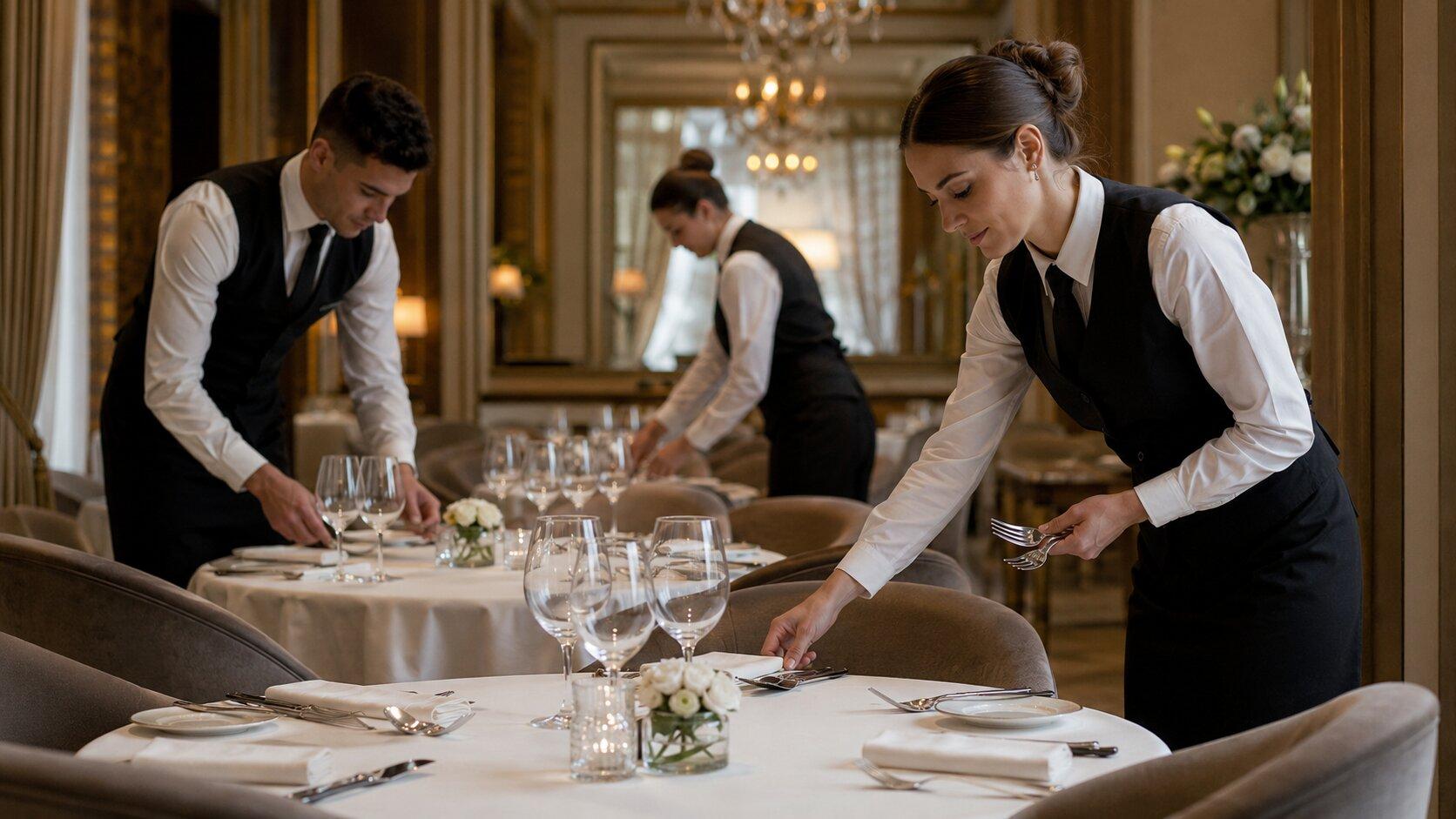
The target should be different by business model. A counter-service concept can usually run with lower labour incidence than a full-service restaurant. A cocktail bar may need fewer kitchen hours but more skilled bar coverage. A fine dining restaurant may accept higher labour cost because service quality and preparation time are part of the product. The wrong benchmark creates wrong pressure on the team.
Real hourly cost
The real hourly cost is higher than the wage paid to the employee. It includes taxes, social contributions, holidays, bonuses, overtime and replacement time. Using only the base wage makes shifts look cheaper than they really are.
The formula is: real hourly labour cost = total employment cost / productive hours. Total employment cost includes gross wage, employer contributions, paid leave, sick leave, overtime, benefits and agency or replacement costs. Productive hours are the hours that actually support service or preparation. Training, meetings and admin time are necessary, but they still need to be paid for.
For example, a cook receives EUR1,900 gross per month, but the full employer cost is EUR2,650. If the cook works 160 paid hours, the apparent cost is EUR16.56 per hour. If only 145 hours are productive after holidays, training and non-service time, the real productive hourly cost becomes EUR18.28. This difference matters when you calculate how many kitchen hours a menu item or a prep process consumes.
Seasonality
In seasonal venues, labour cost often rises before revenue does: training, opening preparation and minimum staffing levels happen even when sales are still low. Planning by month helps avoid overstaffing in slow periods and understaffing during peaks.
A seasonal restaurant should not read labour cost only at year-end. In April, labour cost may look too high because the team is being trained before demand arrives. In August, the percentage may look healthy because revenue is high, while overtime and fatigue are accumulating. The useful view compares each month with the same month last year and with the forecast for covers, reservations and opening hours.
One practical method is to build a staffing budget by service: breakfast, lunch, dinner, prep and cleaning. For each service, estimate expected covers and required roles. Then compare planned hours with actual hours every week. If sales are below forecast but hours are unchanged, labour cost will drift before the P&L makes it obvious.
Common mistakes
The most common mistakes are scheduling by habit, ignoring prep time, measuring only payroll instead of productivity and reacting too late to demand changes. A good control system connects staffing decisions with covers, revenue and margin.
Another common mistake is cutting hours without redesigning the operation. If the menu is too large, stations are badly organised or prep is duplicated, fewer hours simply create stress and lower quality. Labour control starts with process: menu complexity, mise en place, service flow, booking policy and communication between kitchen and front of house.
Managers should also separate fixed staffing from variable staffing. A minimum team is needed even on a slow night, so labour percentage will always look worse when revenue is low. Variable hours should move with demand: extra floor staff, runners, kitchen support, cleaning and delivery preparation. Mixing the two hides the real lever.
Numerical example: reading labour cost properly
Suppose a restaurant makes EUR80,000 in net monthly revenue. Payroll and employer costs are EUR24,000, so labour cost is 30%. Food purchases adjusted for inventory are EUR25,600, so food cost is 32%. Prime cost is therefore 62%. If rent, utilities, software, insurance and other fixed costs add another EUR18,000, the venue has EUR12,400 left before taxes, debt and extraordinary expenses.
Now imagine revenue drops to EUR70,000 while staffing stays at EUR24,000. Labour cost jumps to 34.3% even if nobody received a raise. If food cost remains 32%, prime cost becomes 66.3%. The issue may not be the team; it may be demand planning, opening hours or menu mix. This is why labour cost must be discussed with sales, not in isolation.
Weekly review
Every week, review planned hours versus actual hours, revenue per labour hour, covers per labour hour, overtime, agency hours, no-shows and prep time. Then compare the trend with food cost. If both food and labour are rising, the venue has a prime cost problem. If labour is rising while covers are flat, the schedule or process needs attention.
Use internal links to keep the analysis connected: labour cost should be read together with food cost per dish and theoretical vs actual food cost. Together, they explain whether margin is lost in purchasing, kitchen execution, staffing or pricing.
How EUSTAK helps
EUSTAK gives managers a cleaner view of operating costs by reading invoices and grouping expenses month by month. Labour still comes from payroll and scheduling data, but it becomes more useful when it is compared with food cost, supplier spend and fixed costs in the same management rhythm. The goal is not to cut blindly; it is to know which service, month or cost category needs a decision.
Frequently asked questions
What is a healthy labour cost percentage for a restaurant?+
Why does my labour cost percentage look worse when sales are slow?+
Should I include employer social contributions when calculating labour cost?+
Prime cost visible every month, not just at year-end
EUSTAK reads your supplier invoices and classifies food costs automatically so you always have the food side of prime cost ready to pair with labour.
Track prime cost