The hourly cost of a dental chair: the number every treatment price depends on
If your hourly chair cost is EUR45, a 90-minute treatment has already consumed EUR67 before you add a single material or lab invoice. Every pricing decision, margin calculation and chair utilisation review starts from this number.
What is the hourly chair cost
The hourly chair cost is the cost of keeping one dental chair operational for one hour, before adding treatment-specific materials, lab work or clinician compensation. It includes the fixed and semi-fixed costs needed to run the practice: rent, reception, chairside assistance, utilities, software, insurance, maintenance, equipment leases, sterilisation, advisors and depreciation.
It is not the same as your selling price. If a treatment is sold for 120 euros but consumes one chair hour that costs 85 euros, the room left for materials, lab costs, clinical labour and profit is much narrower than it looks. Without this number, pricing decisions are often based on habit rather than margin.
The basic formula
The simplest formula starts from annual fixed costs and the real productive hours available. Do not use theoretical opening hours if you know that part of the schedule remains empty: the real cost should reflect actual chair utilisation.
Annual productive chair hours are calculated by multiplying available hours per chair by the number of chairs, then adjusting for real schedule saturation. A practice open 40 hours per week for 44 weeks, with 2 chairs, has 3,520 theoretical hours. At 75% utilisation, productive hours are 2,640.
A practical example
Imagine a practice with 120,000 euros in annual fixed costs, 2 chairs and 2,640 real productive hours. The hourly chair cost is:
This means every occupied hour must first cover roughly 45 euros of practice structure. If a procedure takes 90 minutes, the chair cost absorbed by that procedure is about 68 euros. Materials, lab work, variable clinical labour and target profit must be added on top.
The number becomes especially useful when comparing treatments. A 60-minute hygiene session, a 90-minute endodontic treatment and a 2-hour surgical appointment cannot be judged only by revenue. You need to know how much chair time they consume and how much margin remains after covering the chair cost.
Fixed cost vs total chair cost
The 45.45 euros in the example is the structural cost: rent, staff, utilities, depreciation. It does not yet include anything that varies by procedure. The total cost per chair hour, the figure to actually compare against your price list, adds the average share of materials and lab work spread across productive hours.
If the practice in the example spends another 25 euros per hour on average in materials and lab work, the total cost rises to roughly 70 euros per hour. That total figure is what you compare against your price list to understand real margin, not the 45.45 euros of structure alone.
Keeping the two numbers separate tells you where to act. A high structural cost points to saturation or fixed costs worth renegotiating. A high materials or lab cost points to suppliers or treatment mix.
Theoretical vs actual cost
The theoretical cost uses the maximum capacity of the practice. It is useful for understanding potential, but it can be misleading. The actual cost uses productive hours: it includes empty slots, no-shows, seasonality, holidays, maintenance time and idle capacity.
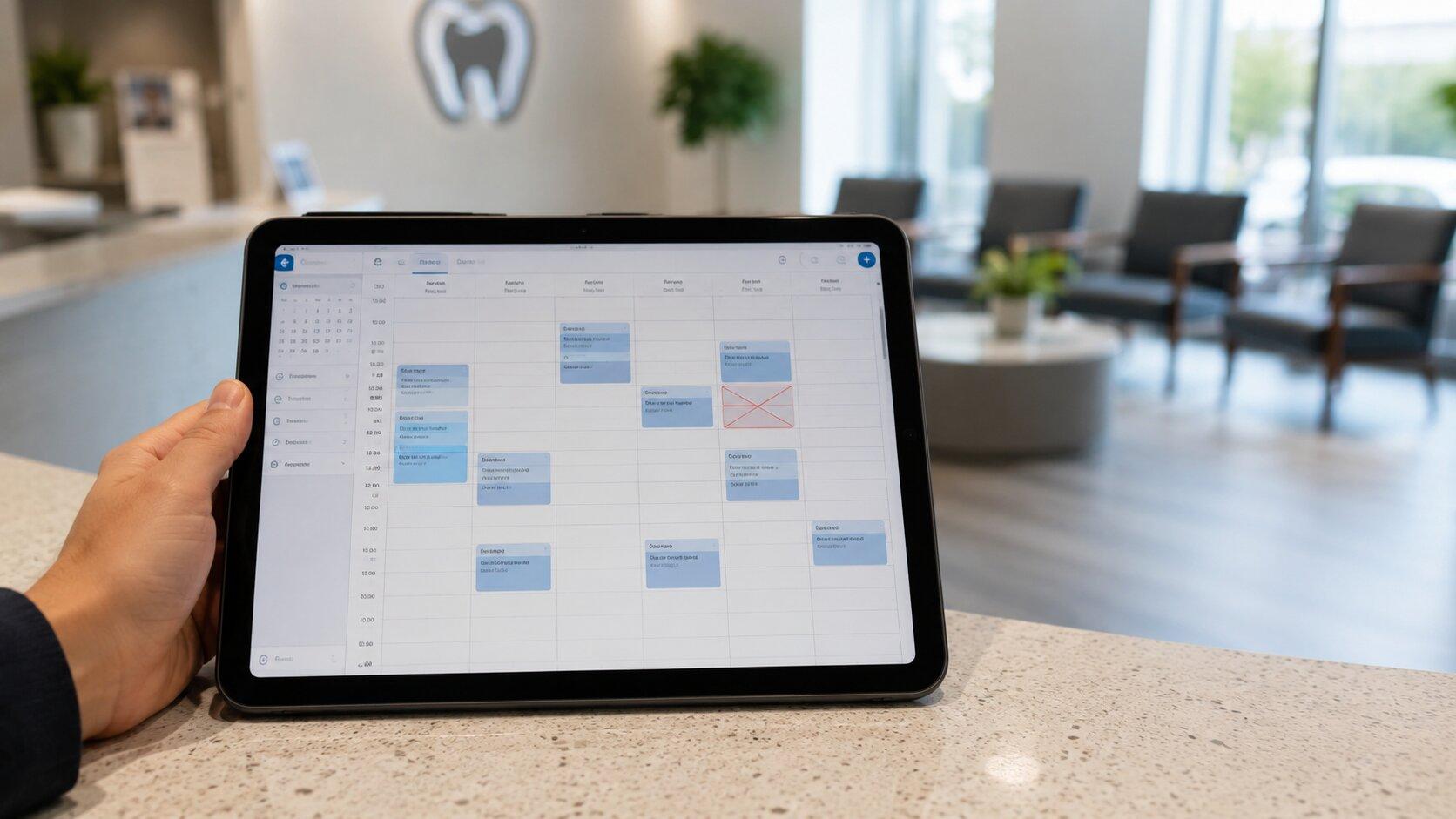
If the same practice works at 85% utilisation instead of 75%, the hourly cost goes down. If it works at 60%, it rises quickly. This is why schedule saturation and hourly chair cost should always be read together: one explains the other.
Use two numbers in management meetings: theoretical chair cost and actual chair cost. The theoretical number shows what the practice could achieve at full planned capacity. The actual number shows the economic reality after cancellations, empty slots and low-utilisation days. The gap between the two is the cost of unused capacity.
If the actual cost is rising, do not immediately increase prices. First understand the cause: lower saturation, higher fixed costs, too many blocked hours, staffing changes or a treatment mix that uses chair time poorly. The right action may be agenda redesign rather than a price increase.
What an empty chair costs
Hourly chair cost does not stop when the chair is free: fixed costs keep running. An empty hour, at the example rate of 45.45 euros, is an hour lost at that full value.
If a chair sits empty for an average of one hour a day, over 21 working days that is roughly 954 euros of structure not recovered every month, close to 11,400 euros a year, not counting the revenue lost on the treatment that could have filled it. Across two chairs, the figure doubles.
This is why schedule saturation is worth reading in euros per month, not only as empty slots to fill.
One chair or a multi-chair practice
With a single chair, practice-level cost and chair-level cost are the same number: divide total fixed costs by the productive hours of that one chair.
With multiple chairs, practice-level cost (total fixed costs divided by total productive hours across all chairs) is divided again by the number of active chairs to get the cost per unit. The exception is when chairs differ significantly in cost, one set up for surgery and another for hygiene only, for example: then it is worth calculating the hourly cost separately for each.
A practice with 3 chairs and 180,000 euros in annual fixed costs, each with 1,200 real productive hours (3,600 hours total), has a practice-level cost of 50 euros per hour. If the three chairs are equivalent, each costs 50 euros per hour. If one runs at lower utilisation than the others, its effective hourly cost is higher because it absorbs the same share of structure over fewer productive hours.
Hourly cost and break-even
Hourly chair cost and the practice's break-even point are two views of the same calculation. If you know the hourly cost and the annual productive hours, their product should match total fixed costs: a quick way to check your numbers are consistent.
If monthly fixed costs are 10,000 euros and the contribution margin after variable treatment costs is 60%, the practice needs roughly 16,667 euros of monthly revenue just to break even, before any profit begins.
Common mistakes when calculating hourly cost
Four recurring mistakes, all easy to avoid once you know them:
- Using theoretical opening hours instead of real productive hours: inflates the denominator and understates the true hourly cost.
- Not updating the figure over time: an hourly cost calculated two years ago, with that year's rent, no longer reflects today's practice.
- Mixing fixed and variable costs into one number: makes it impossible to tell whether the issue is structure or suppliers and materials.
- Ignoring holidays, sick leave and seasonality in annual productive hours: hours available on paper are never the hours actually worked.
How to automate it with invoice data
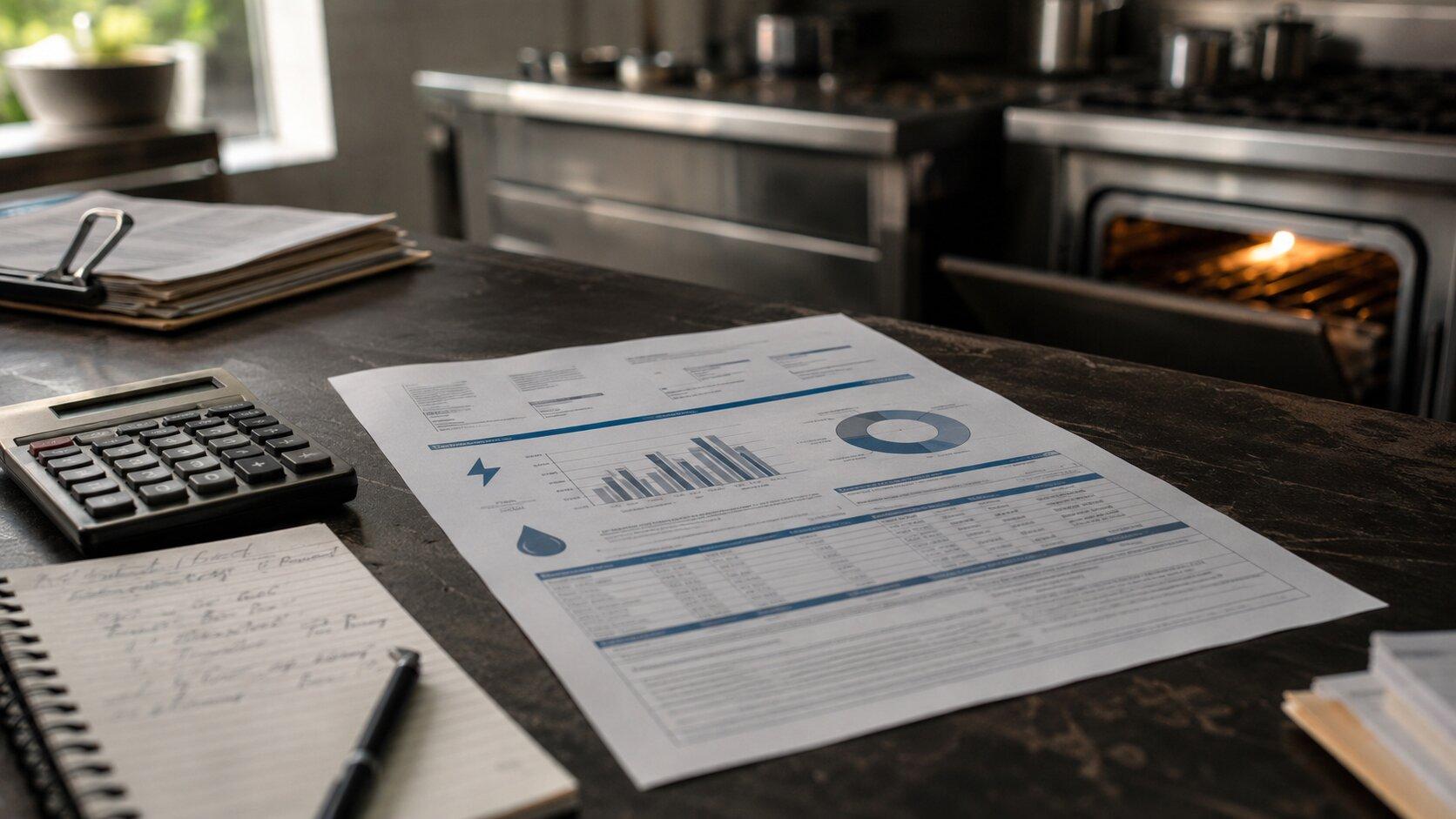
A manual calculation is enough to start, but it becomes fragile when costs change every month. Lab invoices, materials, utilities, leases and services constantly update the real cost of the practice. If you rely on a static spreadsheet, you may keep making pricing decisions with an outdated number.
To skip the manual maths, you can get your figure in seconds with the free dental chair hourly cost calculator: enter your fixed costs and productive hours and get the cost per chair hour instantly.
An automated system reads invoices, classifies costs by category, separates fixed and variable costs and updates the hourly chair cost when rent, suppliers, payroll or lab costs change. This lets you review pricing, margins and schedule utilisation with current data instead of estimates made once a year.
Hourly cost is the first number to have under control, but not the only one. For the full picture (income statement, KPIs to track, monthly reports) it's worth setting up real management control for your dental practice.
To get started: update fixed costs monthly, calculate available chair hours, measure completed productive hours, compare theoretical and actual cost, then connect the result with schedule saturation and practice KPIs. EUSTAK helps by keeping the cost side current from invoices.
Frequently asked questions
Should I include clinician salary in the hourly chair cost?+
How often should I recalculate the hourly chair cost?+
What happens to the hourly chair cost if I add a third chair?+
With multiple chairs, do I calculate one hourly cost or one per chair?+
How does hourly chair cost relate to the practice's break-even point?+
Know the real cost of every chair hour, updated every month
EUSTAK reads your invoices, separates fixed and variable costs, and keeps your hourly chair cost current without spreadsheets.
Calculate my chair cost