Menu engineering: which dishes to promote, fix, or cut based on margin data
A restaurant can be full every night and still underperform if the menu is pushing low-margin dishes. Menu engineering is the method for identifying which items are carrying the business, which are silently draining it, and what to do about each.
The analysis takes four inputs: sales volume, selling price, recipe cost and contribution margin per dish. From those you can classify every item on the menu and make decisions based on numbers rather than gut feeling.
Stars, Plowhorses, Puzzles, Dogs
Menu engineering classifies dishes by popularity and profitability. Stars sell well and generate strong margin. Plowhorses sell well but earn too little. Puzzles are profitable but under-ordered. Dogs are weak on both dimensions and usually need to be redesigned or removed.
The classification should be based on contribution margin, not only food cost percentage. Contribution margin per dish = selling price - variable cost. A dish with 35% food cost can be better than one with 25% food cost if it sells at a higher price and leaves more euros of margin. Managers need both percentage and absolute margin to make good decisions.
For example, Dish A sells for EUR12 and costs EUR3, leaving EUR9. Dish B sells for EUR28 and costs EUR10, leaving EUR18. Dish B has a higher food cost percentage, but it contributes twice as many euros before labour and fixed costs. Removing it only because its percentage looks worse would be a mistake.
How to analyse your menu
Start with sales volume and contribution margin per dish, not only revenue. A high-selling dish can still hurt the business if its ingredient cost is too high. The useful view combines recipe cost, selling price and number of orders over the same period.
Use a period long enough to be meaningful, usually four to eight weeks. Export sales by dish from the POS, update recipe costs from supplier invoices, then calculate contribution margin and quantity sold. Plot each dish by popularity and profitability. The result shows where the menu is working and where it is only creating movement.
Do not analyse specials together with stable menu items unless they run long enough to collect data. A weekend special can be useful for testing price, demand and production effort. If it becomes permanent, it should enter the same analysis as every other dish.
How to rebalance your offering
Promote stars, adjust prices or portions on plowhorses, improve visibility for puzzles and remove or simplify dogs. The goal is not a larger menu, but a menu where each item has a clear commercial role and supports the restaurant's target margin.
Stars need consistent execution and good menu placement. Plowhorses need a decision on portion size, recipe cost, supplier prices or price positioning. Puzzles often need better visibility — placement, photos, staff recommendations or a clearer description. Dogs should be redesigned with fewer ingredients and less prep time, or removed entirely if they have no strategic role.
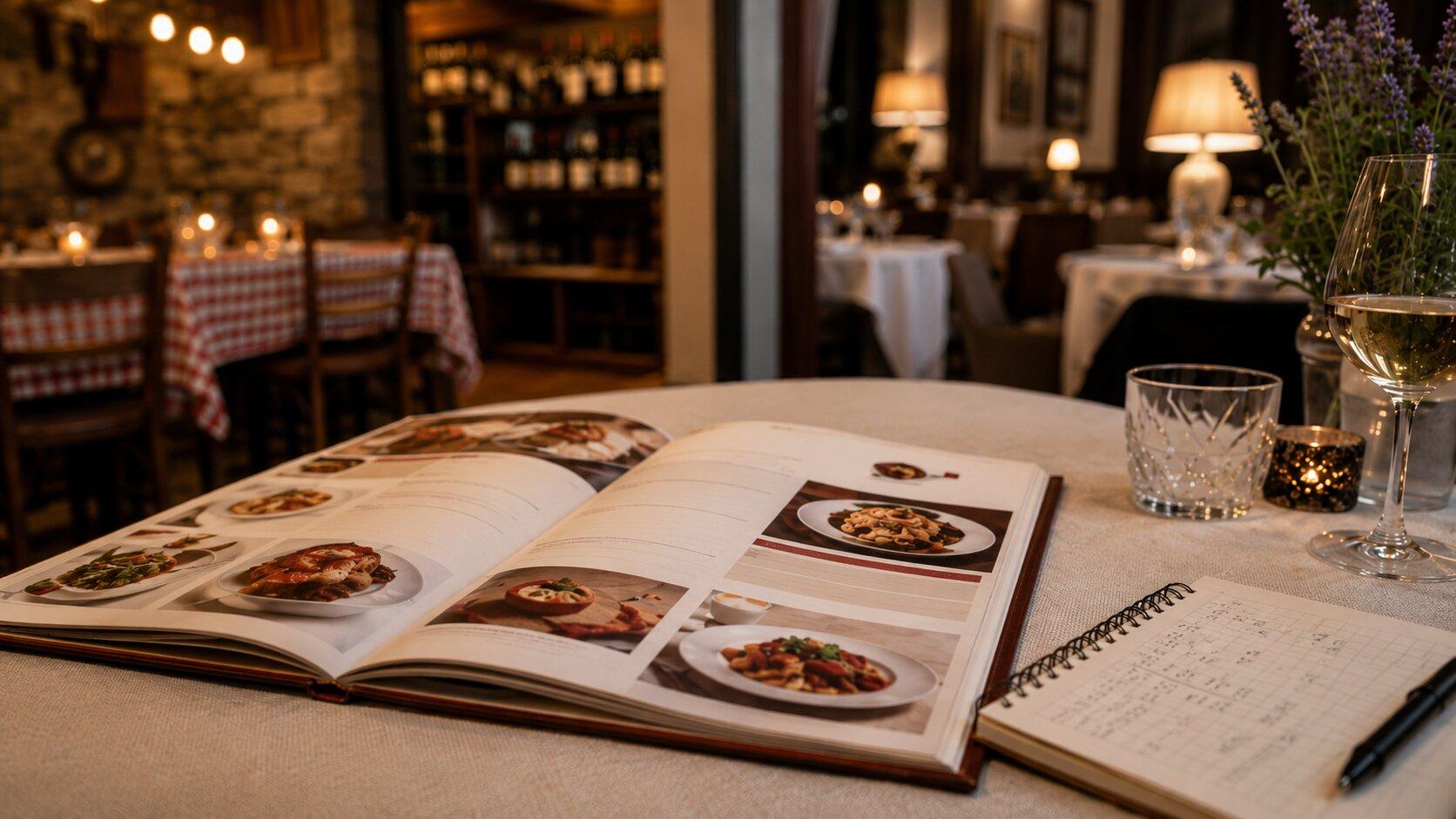
Menu wording matters too. A profitable dish hidden in the middle of a long list will not sell by itself. Use clear names, concise descriptions and staff training to guide guests toward items that fit both demand and margin. The goal is not manipulation; it is making the profitable choice easy to understand. Physical position matters just as much: the top-right area of a page, or the first page in a multi-page menu, gets read first, so save it for stars you want to confirm and puzzles you want to push, and leave the rest of the page for dishes that already sell themselves.
Do not change everything at once. Select a few actions, measure four weeks, then compare sales mix and contribution margin again. If a price increase reduces volume but improves total margin, it may still be the right decision. If a redesigned dish sells better but slows the kitchen, labour cost must be considered.
The best menus are easy to run as well as easy to sell. A dish that looks profitable on paper but creates bottlenecks during service can damage the margin of the whole shift.
To get started: update food cost, calculate contribution margin, rank dishes by sales volume, classify each dish, choose one action per category and review results after four weeks. Link this work with food cost per dish and ideal food cost by venue type. EUSTAK helps keep recipe costs current so menu decisions are based on real margins.
Frequently asked questions
Should I classify every dish on the menu, including specials and drinks?+
A dish has a high food cost percentage but customers love it. Should I remove it?+
How often should I run a menu engineering analysis?+
Real contribution margin per dish, built from live recipe costs
EUSTAK reads supplier invoices and keeps ingredient costs current so your menu engineering is based on what dishes actually cost today, not six months ago.
Analyse my menu