Kitchen waste: how to measure it, find where it comes from, and stop paying for it
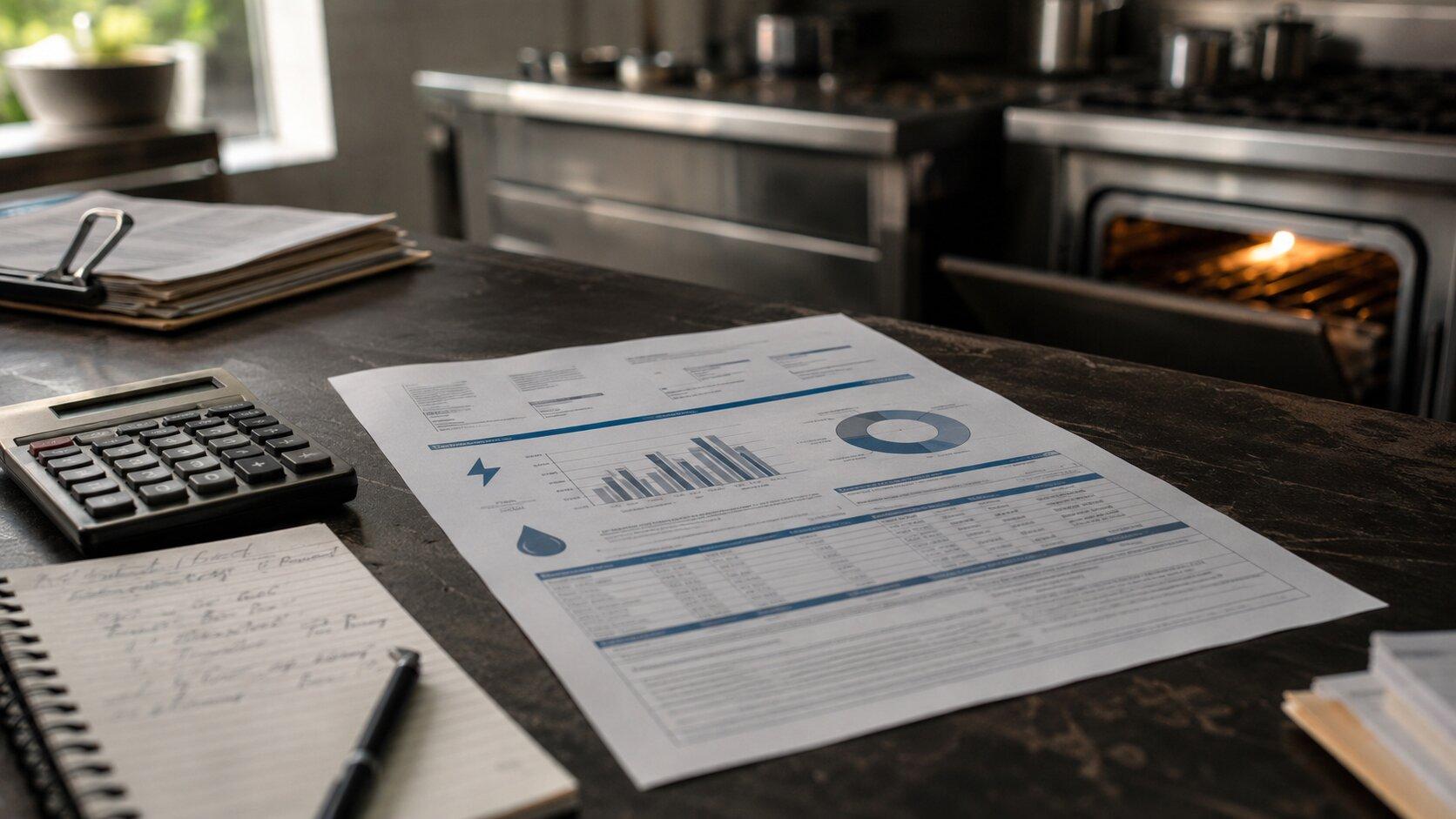
Food waste doesn't appear in any invoice. It shows up when actual food cost runs higher than theoretical, and nobody can explain the gap.
Every tray thrown away was already paid for. Every expired product, every oversized portion — purchased, stored, prepped and never turned into revenue. It all widens the gap between what food should cost and what it actually did.
Types of waste
Most of the waste you're paying for never ends up in a visible bin. Trimming loss, overproduction, expired stock, returned plates, preparation mistakes and oversized portions — it disappears quietly, showing up only when actual food cost drifts above theoretical. Separating these sources helps you fix the right problem rather than treating food cost as one undifferentiated issue.
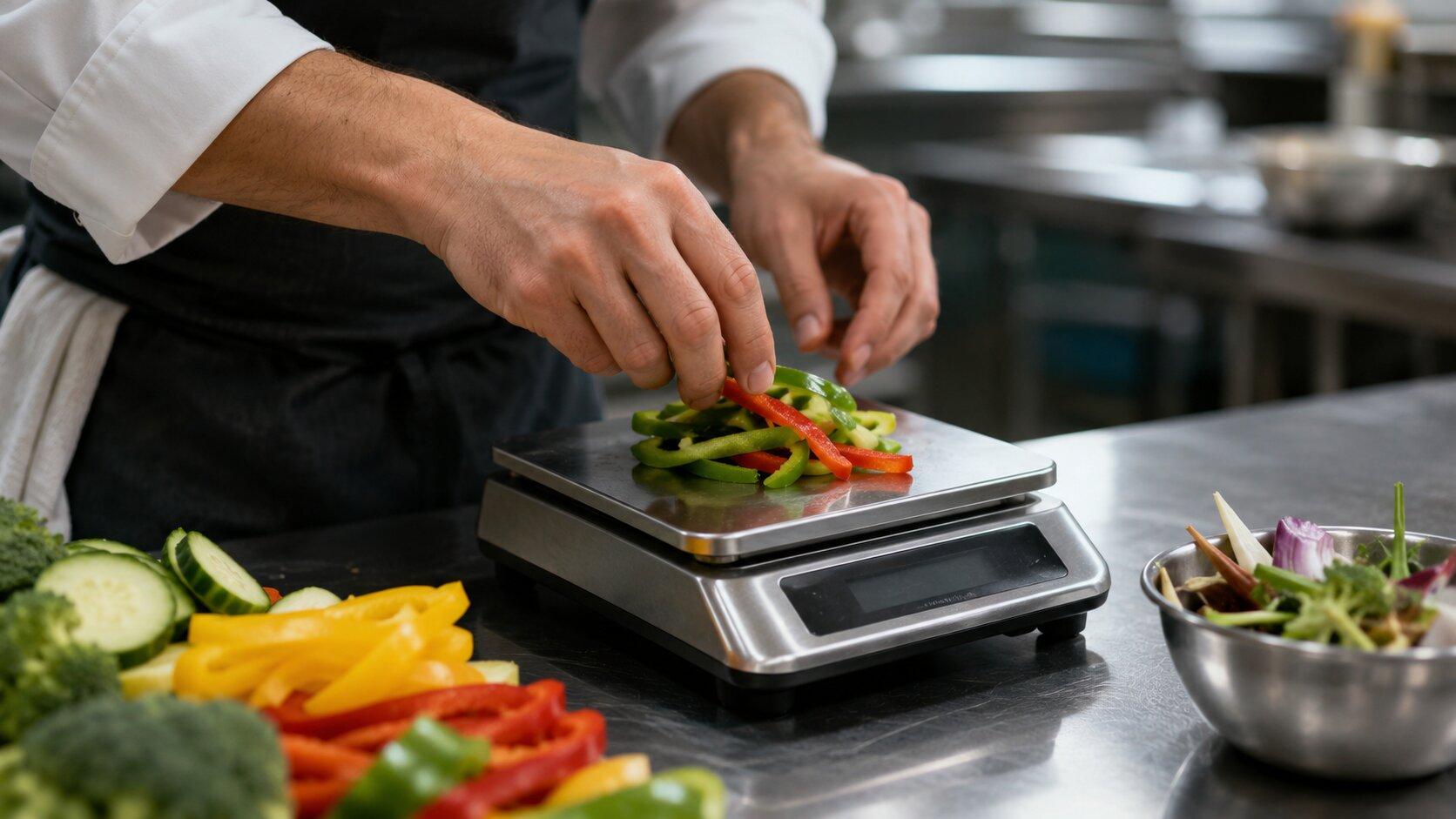
Bones, peels and trimming are partly unavoidable, but they still need yield assumptions built into recipes. Burned prep, expired stock, overproduction and wrong portions are avoidable and need a different response: process correction, not yield calculation. The harder waste to catch is hidden. A bin full of spoiled produce is obvious. Ten grams extra on every plate is not, until it compounds across two hundred covers a week.
How to track them
Use a simple daily log with product, quantity, reason and estimated value. Then compare it with purchases and recipe usage at the end of the month. Even a rough record is useful because it reveals patterns by ingredient, shift or menu item.
The log should be fast enough for the team to fill in during service. Product, quantity, reason and estimated cost are enough. Standardise the reason codes across the team — expired, overproduced, returned, preparation error, portioning, supplier quality, breakage — so patterns become searchable, not just legible. After two or three weeks, they will. If the same product gets wasted every Friday, the issue is probably ordering. If the same station wastes every night, it's prep or training.
Use this formula: waste % = waste value / food purchases x 100. If a venue buys EUR20,000 of food and logs EUR900 of waste, waste is 4.5% of purchases. If food sales are EUR60,000, that waste is 1.5 points of revenue. Reducing half of it does not require more customers; it goes straight back into margin.
Useful KPIs
Track waste value as a percentage of food purchases, waste by category and the gap between theoretical and actual food cost. These KPIs show whether the issue is isolated to a few products or part of a broader process problem.
The most useful KPIs are waste value, waste by ingredient, waste by reason, waste by service and theoretical versus actual food cost. Waste by ingredient shows what costs money. Waste by reason shows what to fix. Waste by service shows whether the problem is prep, lunch, dinner or closing routines. The gap between theoretical and actual food cost confirms whether recorded waste explains the financial loss.
Concrete actions to reduce them
Review prep quantities, tighten portion standards, rotate stock properly and simplify recipes that create too much unused product. Reducing waste is often faster than increasing sales because the saving goes directly back into margin.
Start with the products that combine high cost and high waste: meat, fish, cheese, fresh produce and premium garnish. Then review prep sheets against actual covers, not habit. A station that prepares for 90 covers every day when the forecast is 55 is not being safe; it is turning cash into risk. Use smaller batches, clearer labels and first-in-first-out rotation.
To get started: log waste daily, review the top wasted products each week, cross-reference prep quantities with reservations, check whether portion tools are calibrated, and connect the findings with theoretical vs actual food cost. EUSTAK helps by comparing purchases against expected usage, so waste becomes something you can measure and manage rather than argue about.
Start with whatever the team will actually fill in. A rough log used consistently does more than a detailed system nobody touches.
Once the pattern is visible, the fix is usually simple: smaller prep batches, better storage labels, or a recipe that uses the same high-cost ingredient across multiple dishes.
Food donation: a tax benefit hiding inside your surplus
Food that will not sell before its use-by date does not have to become pure loss. Many countries offer tax incentives for restaurants that donate unsold, still-safe food to registered charities or food banks — often a deduction on the value donated, sometimes paired with a reduced waste-disposal levy. The exact benefit depends on local tax law, so check what applies where you operate.
The paperwork is usually simple: a delivery note or receipt recording what was donated and to whom, kept for your records. For a venue that regularly generates end-of-day surplus (bread, prepared dishes, unused stock), a standing arrangement with a local food bank or charity turns a recurring loss into a modest, recurring tax benefit, on top of the reputational value.
Frequently asked questions
What is a realistic waste percentage target for a restaurant kitchen?+
Should we track waste by weight or by cost?+
We log waste but nothing changes. What are we doing wrong?+
Is it worth donating unsold food instead of throwing it away?+
See exactly what waste is costing you, in euros
EUSTAK compares actual purchases from invoices against theoretical recipe usage so you can spot where the gap comes from and fix the right thing first.
Measure my waste cost