Build an Annual Budget in One Afternoon (No Finance Director Required)
Most small business owners find out cash is tight the same way: the bank account. A simple monthly budget built on last year's real numbers gives you 4 to 6 weeks of warning instead.
What an annual budget should actually do
Start with last year's numbers: revenue by month, fixed costs, variable costs, payroll, taxes, debt repayments and one-off expenses. Then build a month-by-month forecast instead of one annual total. Most small businesses do not fail because the yearly number is wrong; they fail because cash pressure arrives in a specific month.
A budget is not a prediction to frame and forget. It is a management tool. It should tell you how much you expect to sell, what costs are already committed, when cash will be tight and which decisions can be delayed if revenue is below plan. The point is not to be perfectly right in January. The point is to notice in March that the business is drifting before the bank account forces a reaction in June.
For a restaurant, the budget should include seasonality, supplier price changes, staffing levels, rent, equipment, tax payments and slower months. For a dental practice, it should include production by treatment type, lab costs, materials, staff, chair capacity and planned investments. The structure is the same: revenue, direct costs, fixed costs, cash movements and a review rhythm.
The simple budget formula
A useful annual budget separates three layers: expected revenue, committed costs and flexible costs. Committed costs are rent, payroll, subscriptions, leases and insurance. Flexible costs are marketing, external services, purchases and discretionary investments. This separation shows what can be adjusted if sales slow down.
Use this structure for each month: expected revenue - variable costs - fixed costs - debt and tax payments = expected cash result. Variable costs move with sales: food purchases, lab work, delivery commissions or materials. Fixed costs are the base you carry anyway. Debt, VAT, income tax and equipment payments should be visible because they create cash pressure even when the profit and loss looks acceptable.
Example: January revenue is expected at EUR60,000. Variable costs are EUR21,000, fixed costs EUR24,000, tax and loan payments EUR6,000. The month looks profitable before financing, but the expected cash result is EUR9,000. If February revenue drops to EUR45,000 and fixed costs stay the same, the business may be close to break-even or negative even if the annual target still looks reachable.
Build it month by month
Do not divide the annual target by 12 unless your business is truly flat. Most small businesses have seasonality: summer peaks, winter lows, holiday periods, local events, school calendars, tax deadlines or tourism flows. A useful budget respects those patterns. Last year's monthly revenue is the best starting point, then adjust for known changes.
Then add cost assumptions. Which supplier categories are increasing? Will payroll change? Are you opening more days? Are you adding a new service, delivery channel, room, chair or piece of equipment? Every assumption should be visible. If the assumption changes, the budget can be updated without rebuilding everything.
Common mistakes
Building the budget from desired profit instead of operational reality is the most damaging pattern. Wanting EUR100,000 of annual profit does not make it possible if revenue, margins and fixed costs do not support it. Cash timing is a separate trap: a profitable month can still create stress if taxes, supplier payments and payroll arrive before customer cash.
Not separating controllable and non-controllable costs leaves the budget less useful under pressure. Rent due next month is committed. Marketing spend, purchasing volume and external services may be flexible. In a slow month, knowing what can be adjusted is more useful than staring at one annual profit target.
Where to start
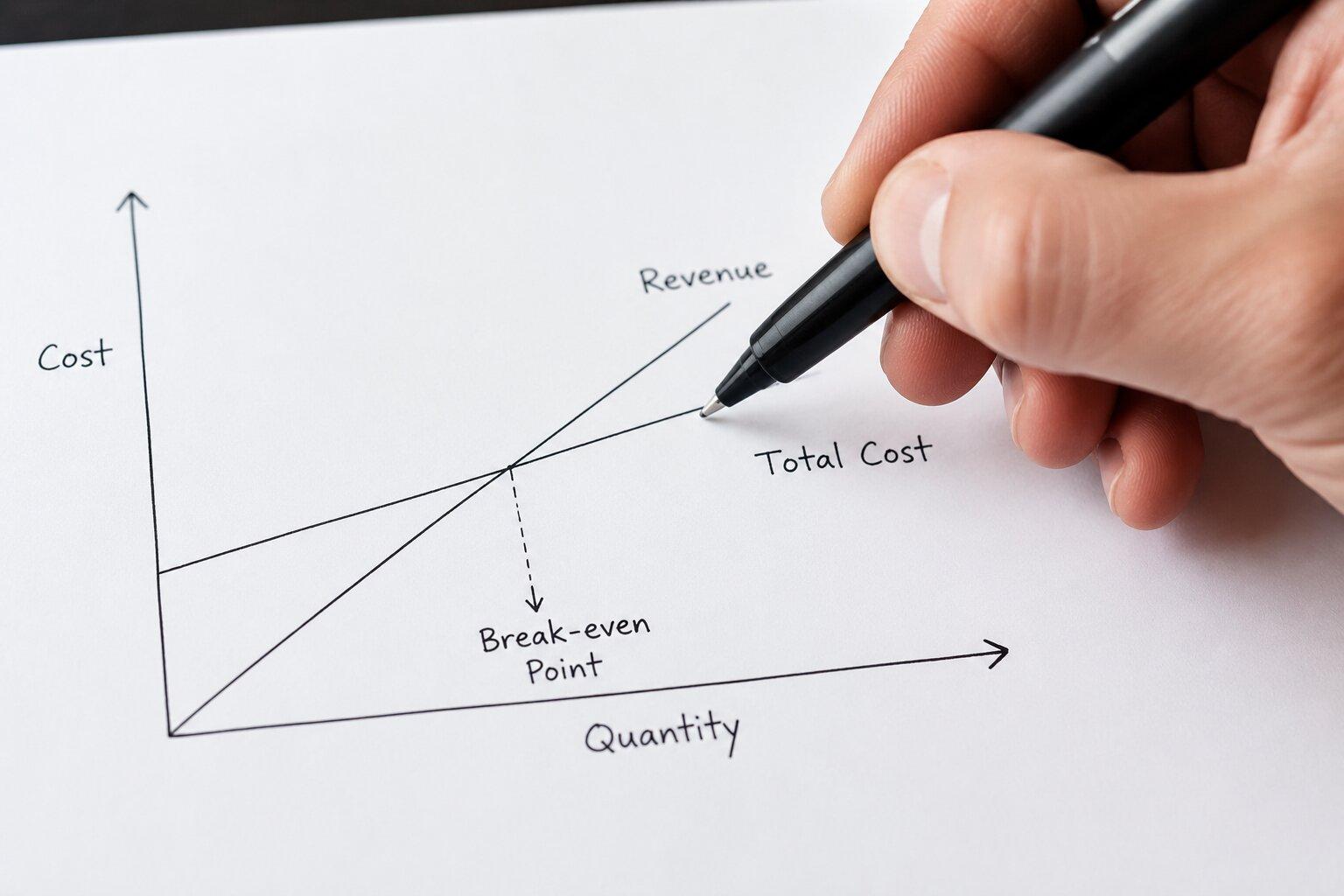
Before approving the budget, check that every month has revenue, variable costs, fixed costs, taxes, debt, planned investments and expected cash result. Then compare the budget with your break-even point and the list of fixed costs often underestimated. If the budget only works in perfect months, it is not a management tool.
Review the budget every month against actual invoices and bank movements. The goal is not to predict perfectly; it is to notice deviations early enough to react before the margin has already disappeared.
EUSTAK helps by making actual costs easier to compare with the plan. Instead of waiting for a manual report, owners and managers can review invoices, categories and recurring costs while there is still time to adjust decisions.
Frequently asked questions
How detailed should my annual budget be for a small restaurant or bar?+
What if my revenue is too unpredictable to budget accurately?+
How often should I update the budget during the year?+
A budget only holds if the costs inside it are current: here is how to keep restaurant food cost and expenses under control.
Compare budget vs actual every month without touching a spreadsheet
EUSTAK reads your invoices and aggregates costs and revenue by category, so your actual figures are always ready for the monthly budget review.
Start free