Seasonal cost management in F&B: how to protect margin in peak months and survive the slow ones
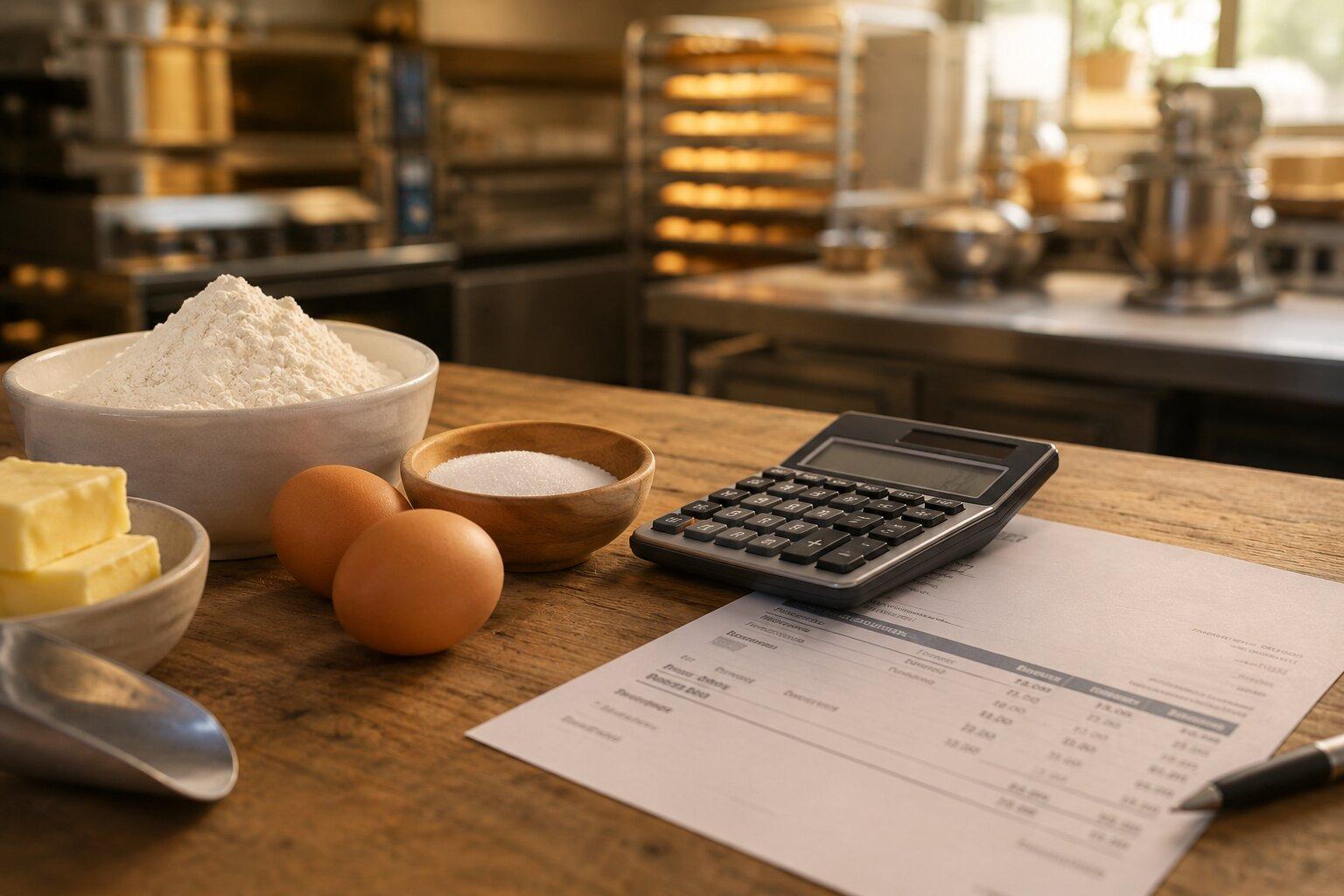
Seasonality hits revenue and costs differently, and rarely at the same time. Venues that plan only for revenue swings still get caught by cost seasonality — price spikes on seasonal ingredients, higher team turnover, stock build-up before peak and unsold inventory after it.
In F&B, the same month that brings peak covers can also bring premium supplier prices, overtime, emergency purchases and stock risk. A venue that anticipates these cost movements rather than reacting to them keeps more of the high-season margin.
Planning purchases
Seasonal purchasing should start from last year's demand, expected reservations and supplier lead times. Buying too early locks cash into stock; buying too late usually means higher prices, limited availability or rushed substitutions.
Start with a 12-month view of purchases by category. Look at which products spike before high season, which products become more expensive, and which products create waste after demand drops. Then create purchasing windows: what to buy in advance, what to buy weekly, and what should never be overstocked because it expires quickly.
The basic formula is: planned purchase volume = expected sales volume x recipe usage + safety stock - current stock. Safety stock should be higher for critical items with long lead times and lower for fresh products that expire fast. This keeps planning practical rather than emotional.
Seasonal suppliers
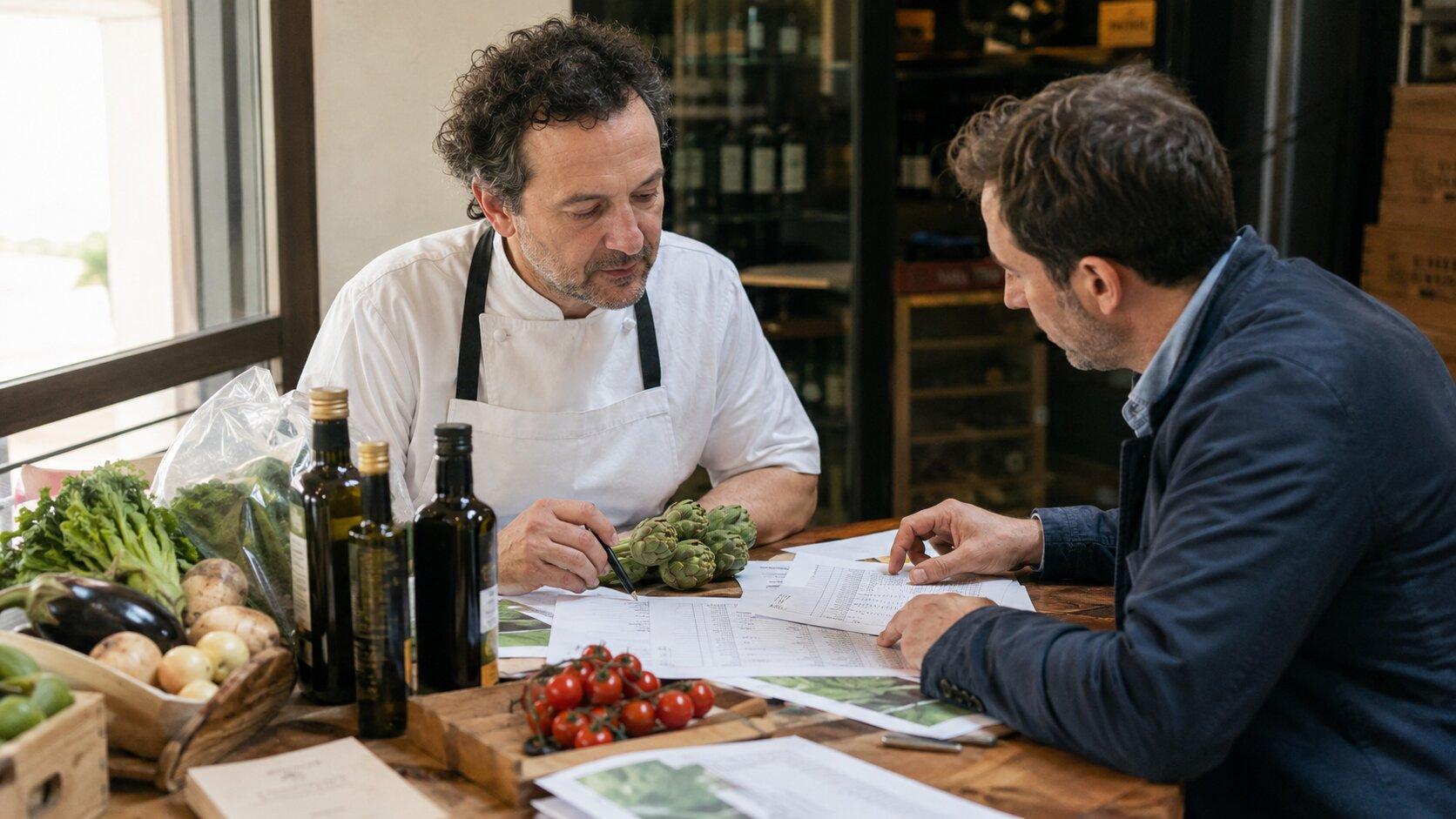
Some suppliers become critical only during specific months. Review their prices, delivery reliability and minimum orders before peak season starts. Negotiating seasonal products in advance protects margin better than reacting once demand is already high.
Before peak season, ask suppliers for price expectations, delivery calendars, minimum orders and substitution options. If a product is central to your menu, agree what happens when availability drops. A planned substitution protects quality and margin. A last-minute substitution usually protects only the service, and often at a higher cost.
For example, if seafood prices rise every August, the answer may not be to accept lower margin. You can redesign specials, adjust menu price, reduce portion size, or shift demand toward dishes with more stable ingredients. The decision is easier when you see last year's purchase trend before the season starts.
How to protect margin in low season
During low season, reduce menu complexity, monitor fixed costs closely and avoid purchasing volumes based on peak-season habits. The goal is to keep the offer attractive while matching stock, staff and opening hours to realistic demand.
Low season is where fixed costs become more visible. Rent, core staff, software and equipment do not fall just because covers drop. That means food cost cannot be managed alone. The venue may need shorter opening hours, a smaller menu, lower prep levels, more flexible staffing and a tighter purchase rhythm.
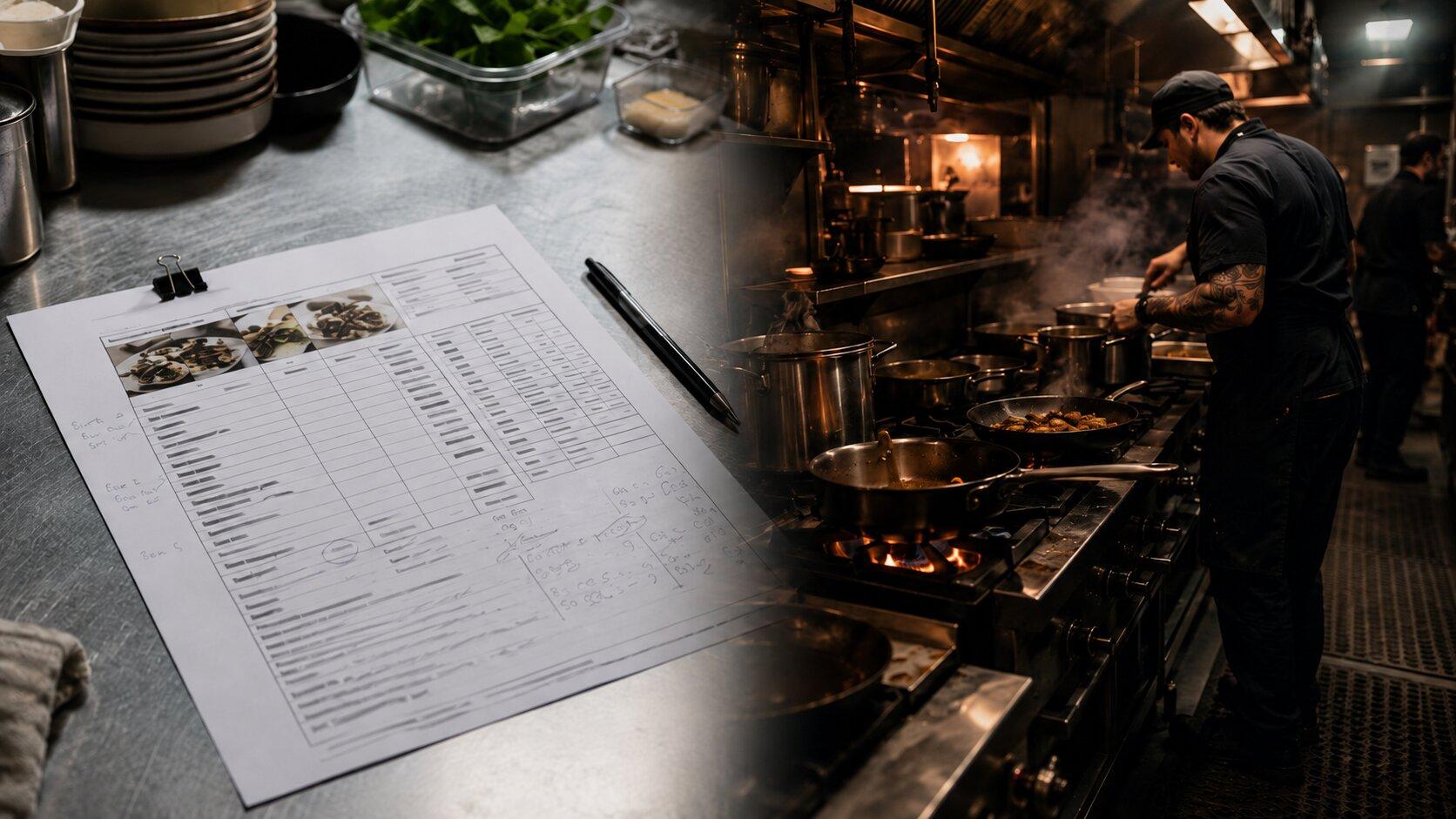
High season has the opposite risk: revenue hides inefficiency. When the dining room is full, managers may accept higher waste, overtime, emergency purchases and expensive substitutions because sales look strong. Those costs can still reduce the profit of the best months. A seasonal venue must protect margin when demand is high, not only survive when demand is low.
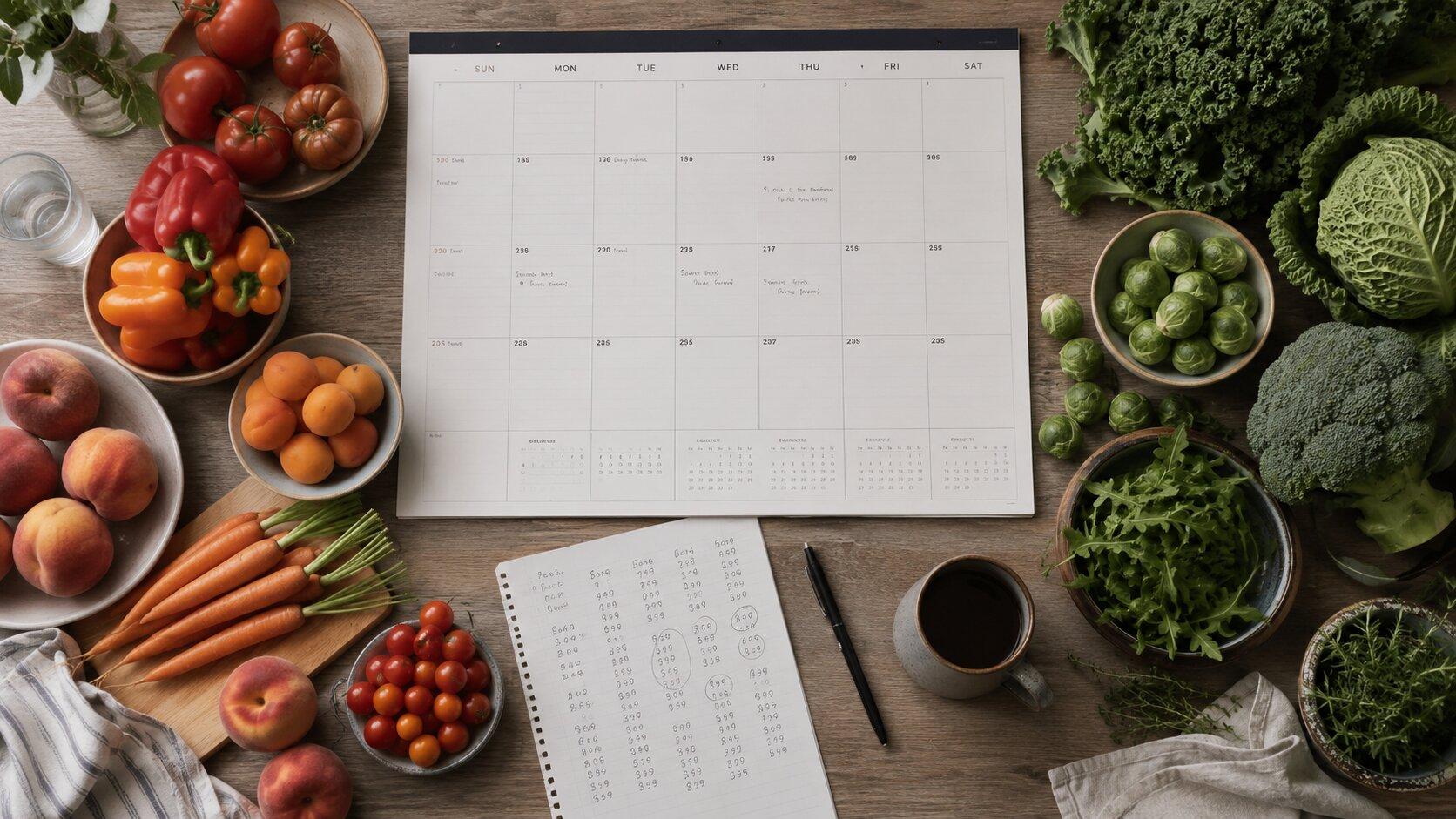
Build three scenarios before the season starts: conservative, expected and strong. For each one, estimate covers, average ticket, purchase volume, staff hours and cash needs. Then decide in advance what changes if reservations come in below plan. This avoids buying and staffing for a season that has not materialised yet.
A simple seasonal dashboard should show revenue, purchases, food cost, waste, labour hours and cash balance by month. The comparison with the same month last year is often more useful than comparison with the previous month, because the business cycle is different. If June is always a ramp-up month, judge it against last June, not against May or August.
This keeps decisions grounded in the real rhythm of the venue, especially in tourist areas where demand changes quickly.
To get started: compare this month with the same month last year, review top seasonal ingredients, set purchase limits, reduce slow-moving menu items, track waste weekly and update your break-even point. EUSTAK helps by showing monthly purchase trends from invoices, so seasonal planning is based on real cost history.
Frequently asked questions
How far in advance should I start planning seasonal purchases?+
My food cost looks fine in high season but profit still feels thin. What's happening?+
Should I keep the same menu in low season or simplify it?+
12 months of purchase history, ready before peak season starts
EUSTAK reads your supplier invoices and builds a monthly cost history by category so you can plan seasonal purchases from what actually happened, not from memory.
Plan seasonal costs